Editorial note: GlowMatch is an independent referral platform. We reviewed the cited device record, published studies and dermatology guidance. This article is educational; a participating Garden City provider evaluates patients and makes treatment recommendations.
The short answer
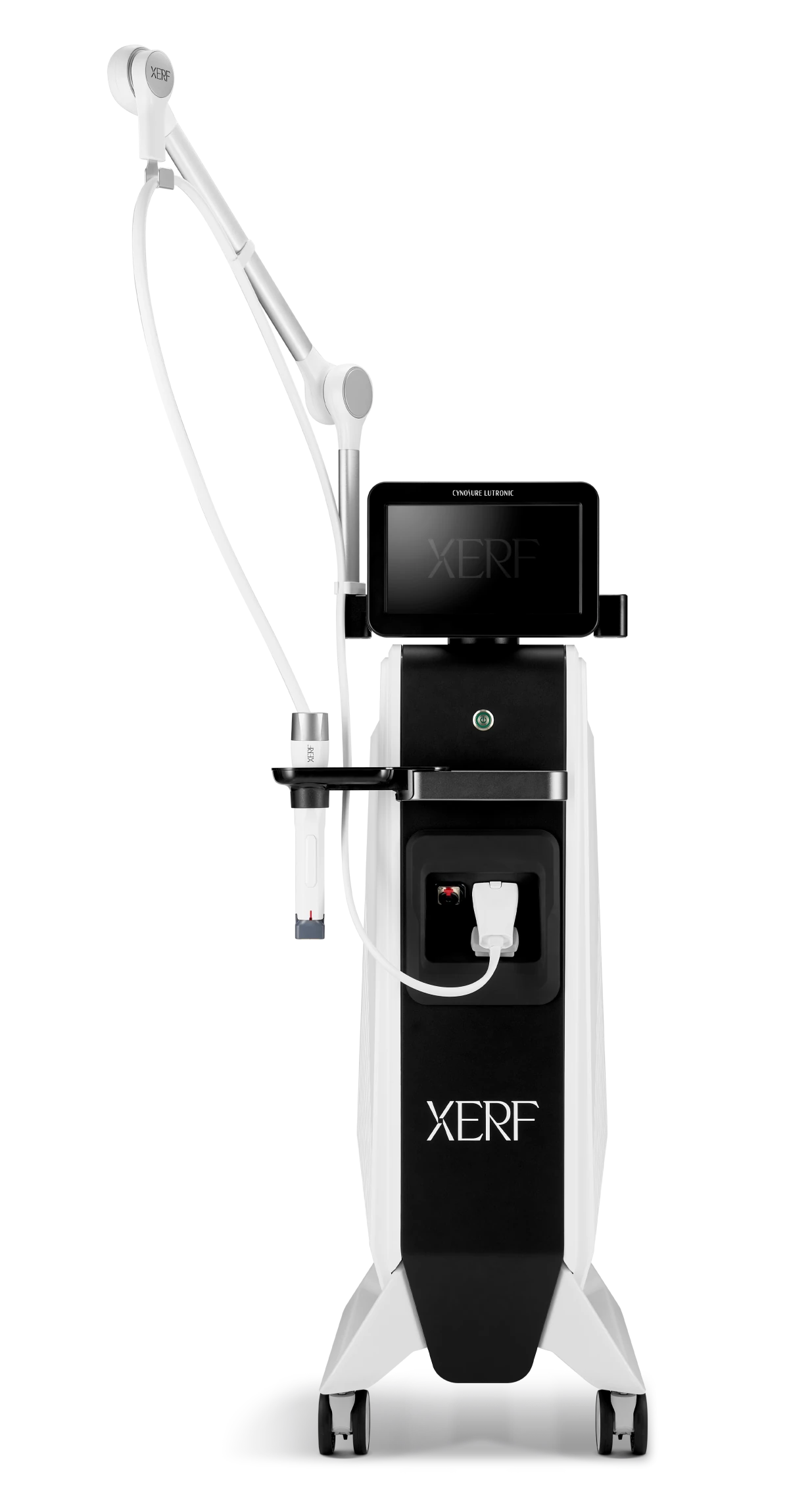
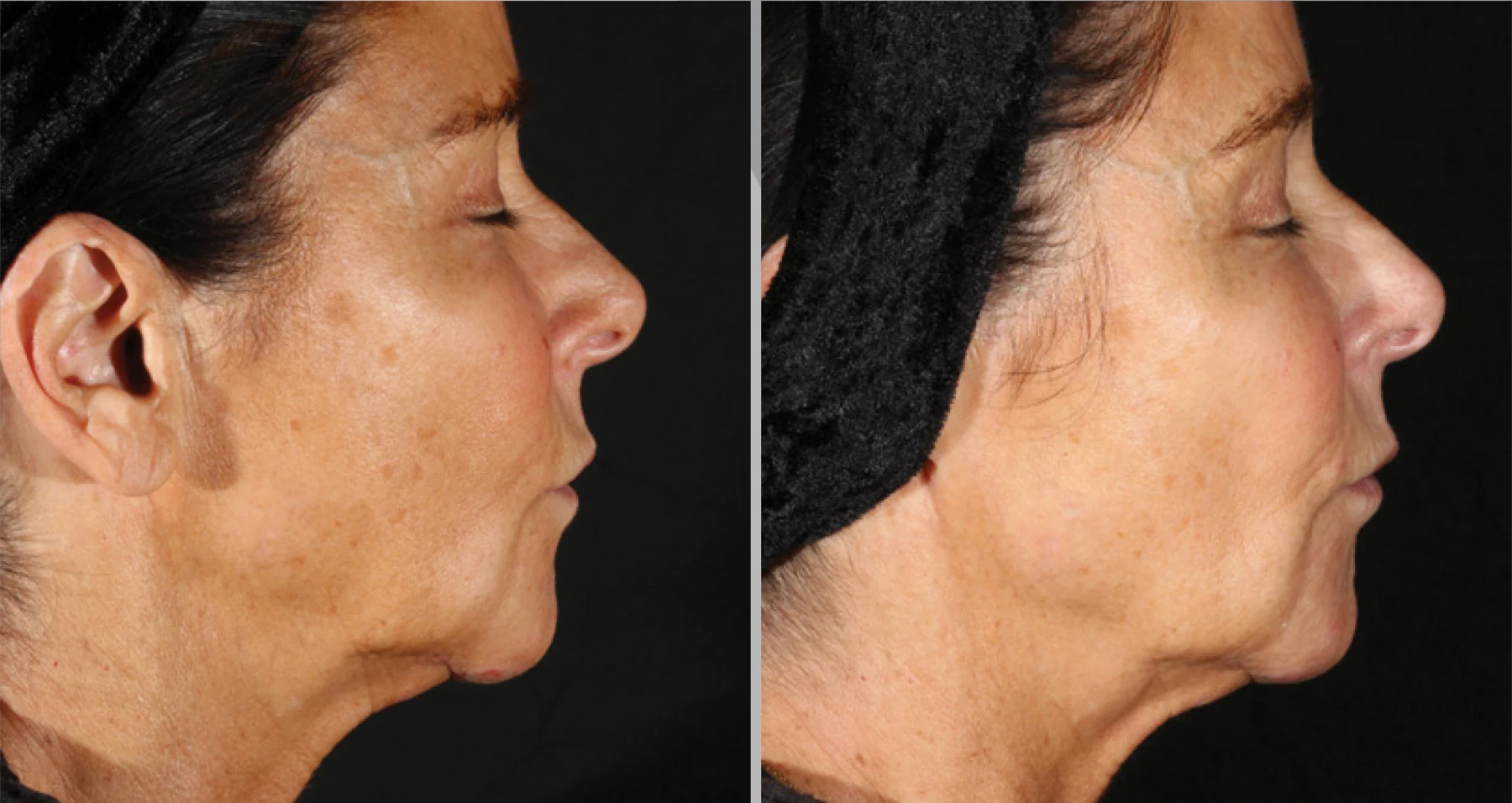
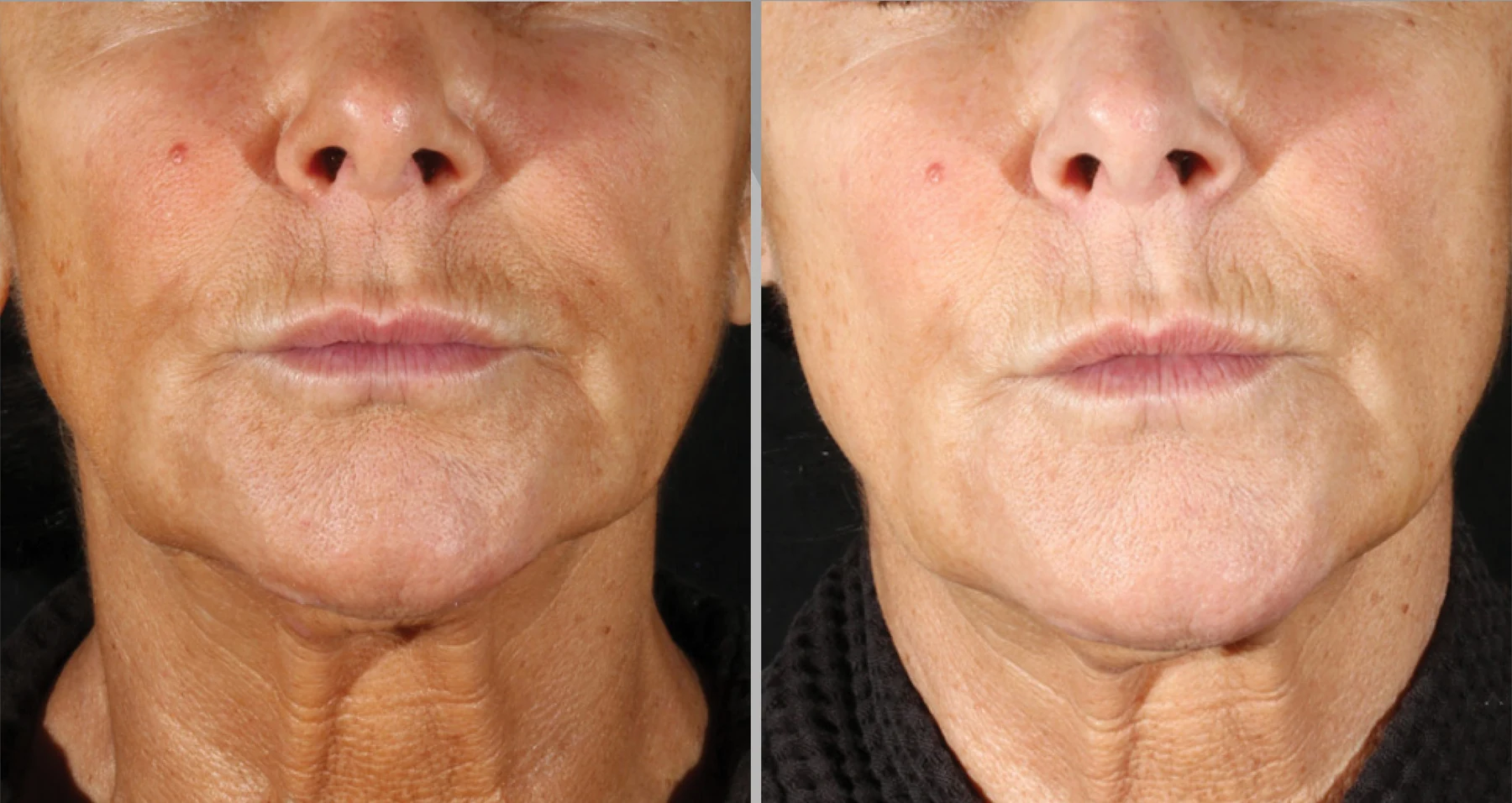
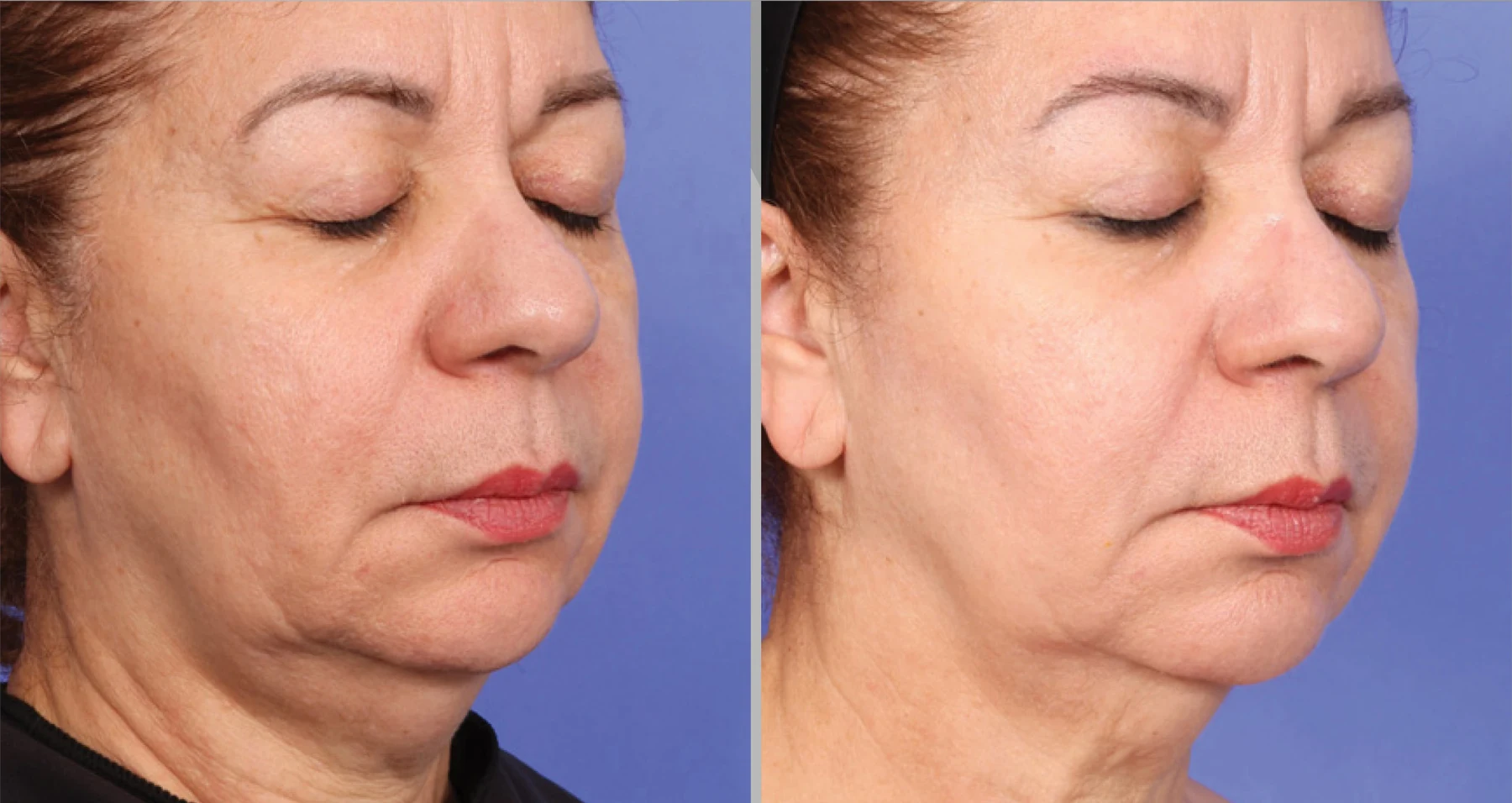
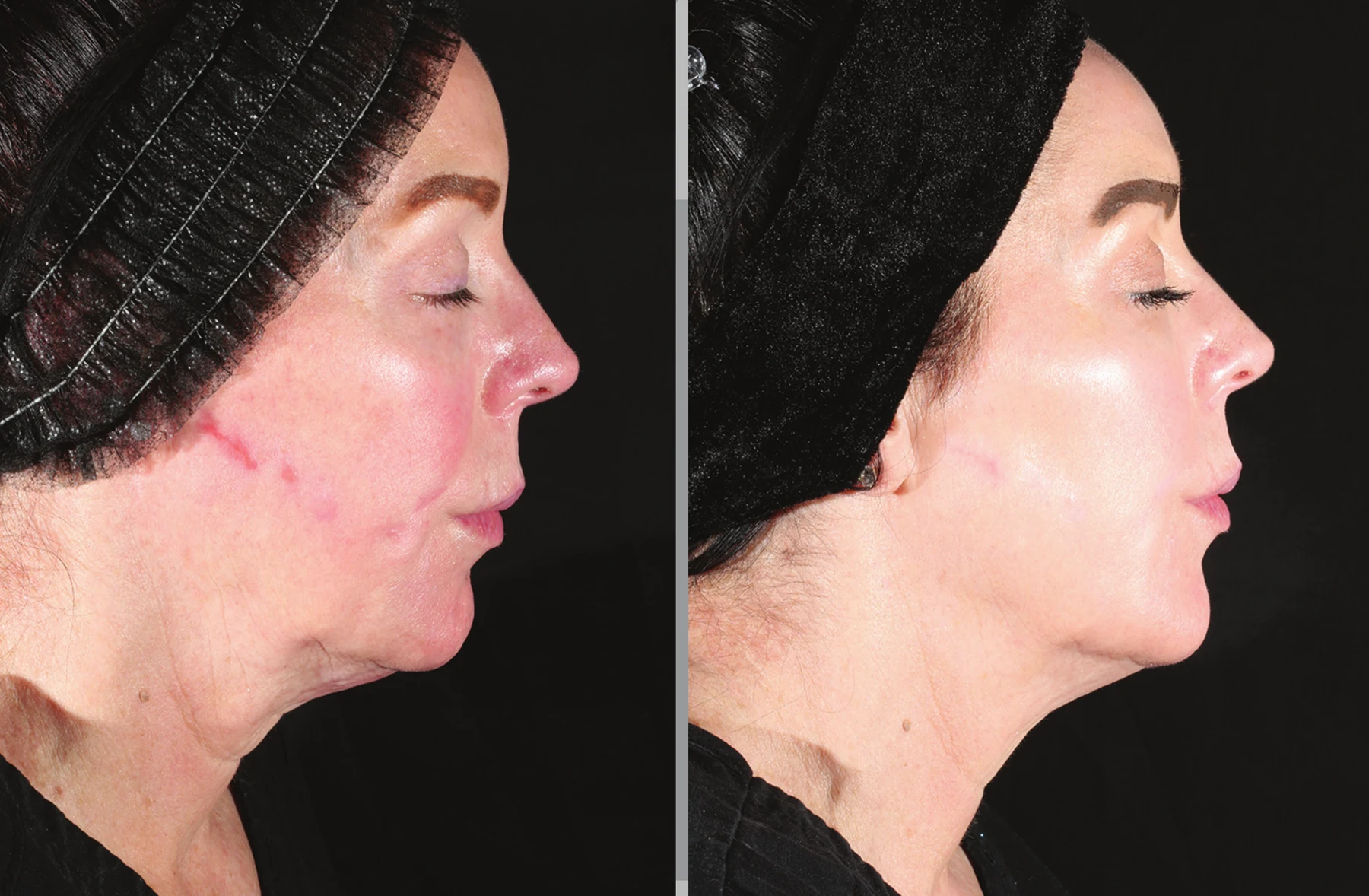
The published XERF evidence is promising but early. The larger study enrolled 39 people at four sites and assessed them 30 and 90 days after two treatments. The smaller study looked back at 16 women who had one treatment and follow-up through three months. Both report improvement, but small groups and short follow-up leave important questions unanswered.
Study one: 39 people, two sessions, 90-day follow-up
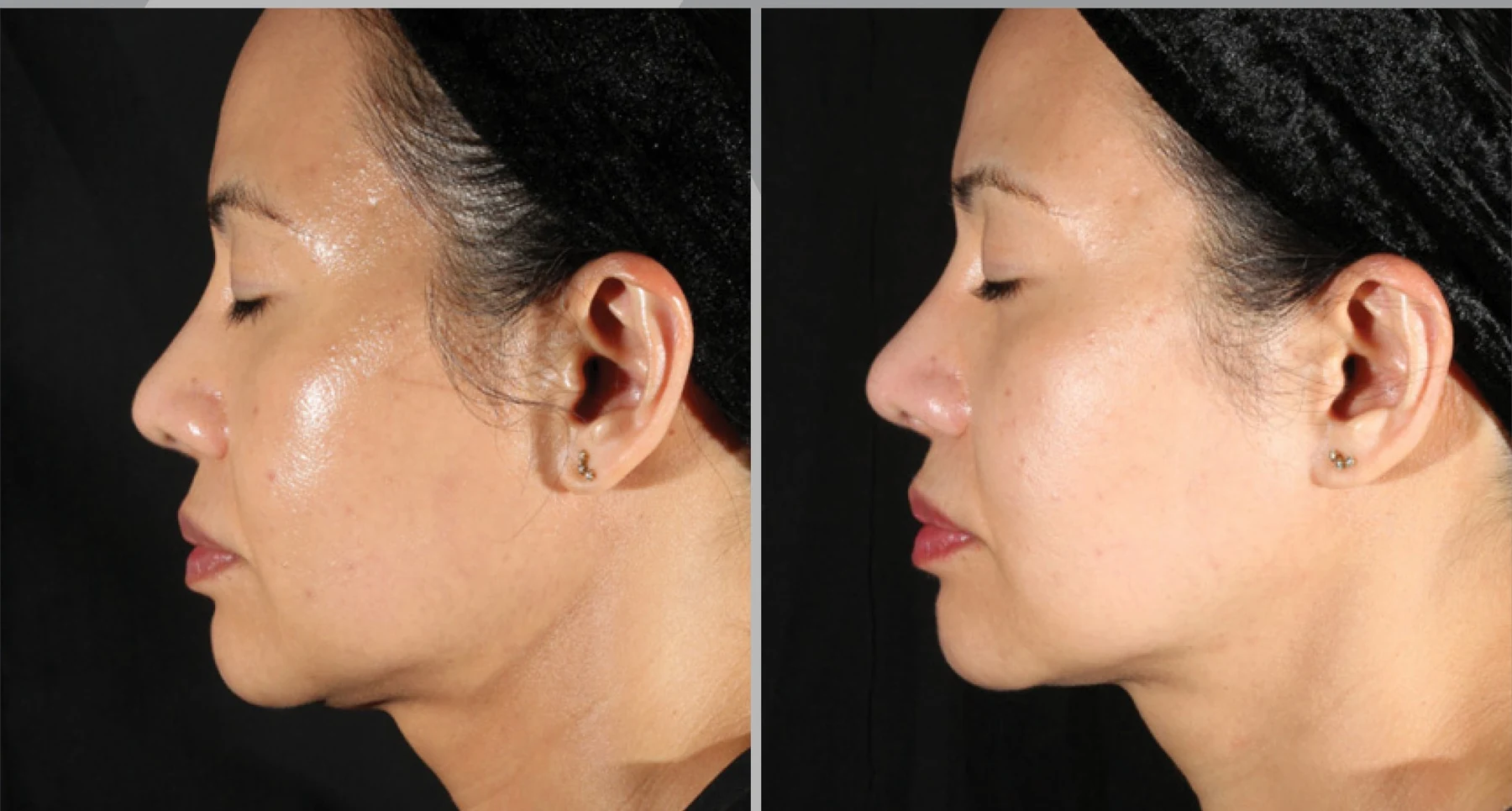
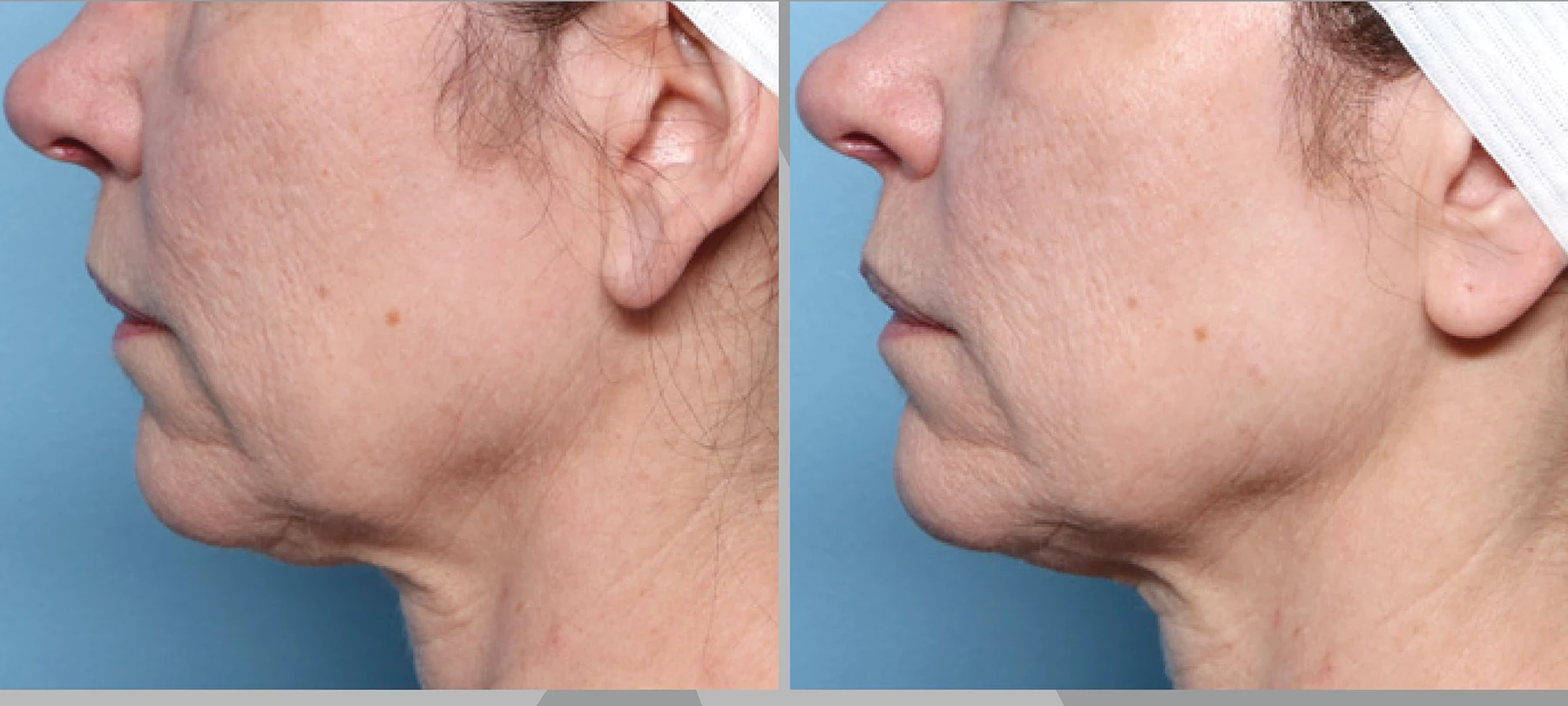
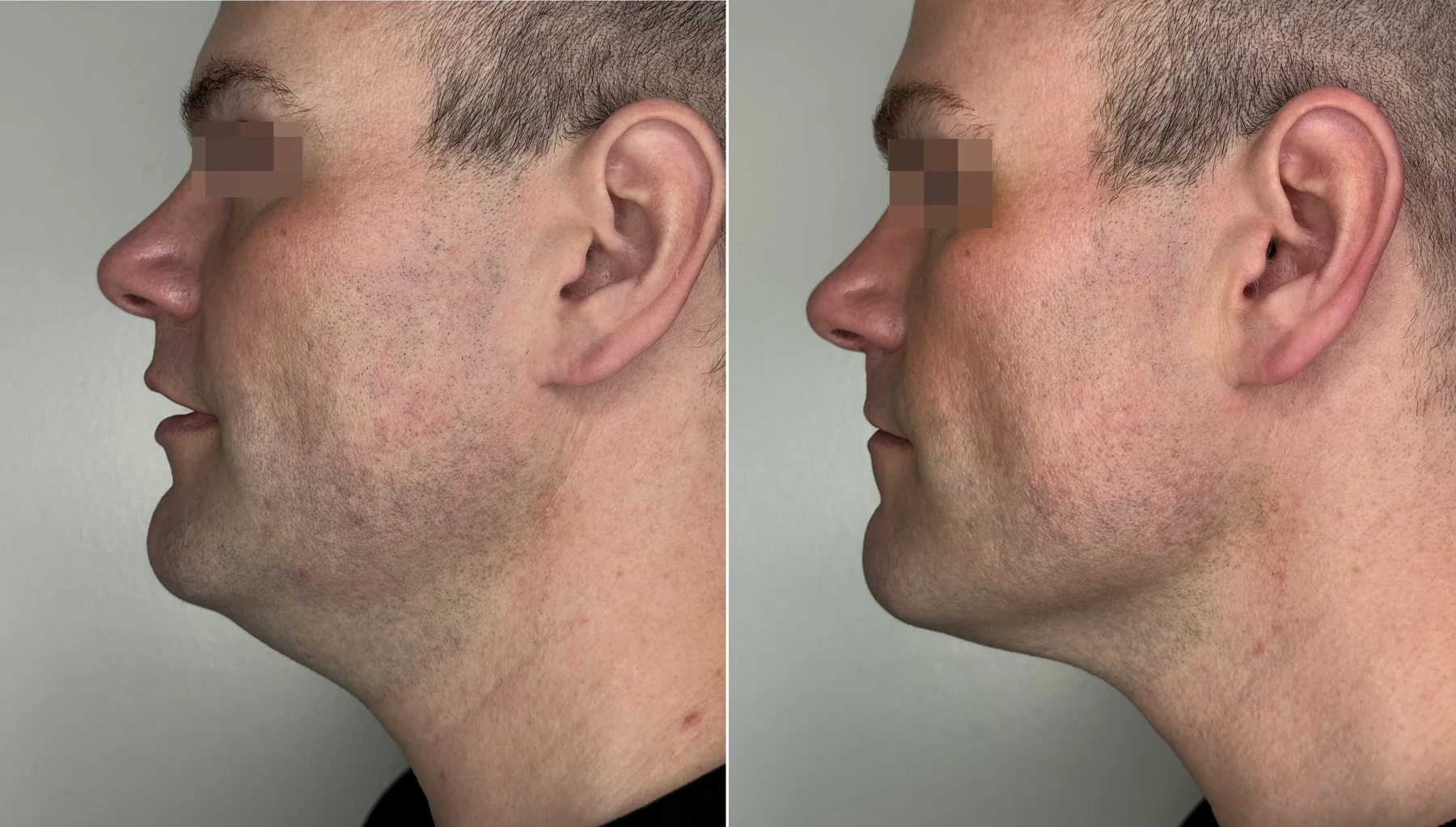
A 2026 prospective multicenter study enrolled 39 participants at four clinical sites. All received two XERF sessions. Investigators compared standardized photographs and rated change at 30 and 90 days. At 90 days, 36 of 39 participants reached a score of at least 3 on a five-point Global Aesthetic Improvement Scale (GAIS); 33 of 39 reached that threshold at 30 days. The paper reported no persistent adverse events during its observation period.
That is a result within this study, not a 92% success promise for a new patient. GAIS is a clinician-rated aesthetic scale; the paper did not establish that every participant achieved the same degree of visible tightening. Nor did it follow them for a year. Cynosure Lutronic supplied the device and consumables and a modest research grant, according to the disclosure. That relationship is relevant when weighing the evidence, even though the authors state that the sponsor did not run the study or prepare the manuscript.
Study two: 16 women, one session
A 2026 retrospective report reviewed records from 16 adult women after a single XERF treatment. It used three-dimensional photographs, measurements around the eyes and patient questionnaires at one and three months. The authors reported changes in facial measurements and skin-quality scores, along with mild, temporary recorded adverse effects. They explicitly called the findings preliminary and asked for larger, prospective controlled studies.
Retrospective means the researchers analyzed care that had already happened. There was no randomized comparison group in this report. Sixteen people are too few to confidently describe outcomes across ages, skin types, concerns and provider techniques. It is useful evidence that deserves follow-up, not a reason to skip an individualized consultation.
- Whether XERF outperforms another specific skin-tightening treatment for a given concern.
- How often results persist beyond the three-month windows described here.
- Which patient characteristics best predict a useful result.
- Whether the same outcome follows one session or two for an individual patient.
Does “FDA-cleared” mean FDA-proven skin tightening?
Read the exact device record. The FDA 510(k) document for XERF lists an intended use in dermatologic and general surgical procedures for electrocoagulation and hemostasis. The submission states that no clinical tests were performed for that 510(k). Clearance of a device for its listed use should not be translated into an FDA guarantee of a cosmetic skin-tightening result. The clinical papers above address aesthetic outcomes separately.
For a broader view, the American Academy of Dermatology describes noninvasive skin-tightening improvements as generally modest and gradual. Surgery addresses a different degree of laxity. Bring photographs or a clear description of the change you want and ask the provider whether XERF is a reasonable match.
Five questions worth taking to a XERF consultation
- What result is realistic for my specific concern, and how would you document progress?
- Why do you recommend this number of sessions?
- Which treatment area and settings do you plan to use, and why?
- What side effects or complications should I know about, and who handles follow-up?
- What is the complete current cost, including consultation and any repeat visit?
Interested in the Garden City option? Send a XERF inquiry and ask the clinic these questions before booking. GlowMatch passes the request; the clinic provides medical assessment and pricing.
Our reading of the evidence
The results justify a conversation if you want a noninvasive option and accept that improvement may be subtle. They do not justify “guaranteed lift,” “painless,” or “works for everyone” copy. If your main concern is texture or acne scarring, compare the mechanism and recovery of RF microneedling versus XERF. If your main concern is substantial loose skin, ask a qualified clinician whether an energy-based treatment can meet your goal at all.
Sources and scope
- Weiss et al., prospective multicenter XERF study, Cureus (2026)
- Erlich et al., retrospective XERF study, Lasers in Medical Science (2026)
- FDA XERF 510(k) summary
- American Academy of Dermatology, skin-firming overview
Ask about XERF in Garden City
Tell GlowMatch your concern. A participating provider can explain the assessment, current price and appointment location before you decide whether to book.
Request XERF information