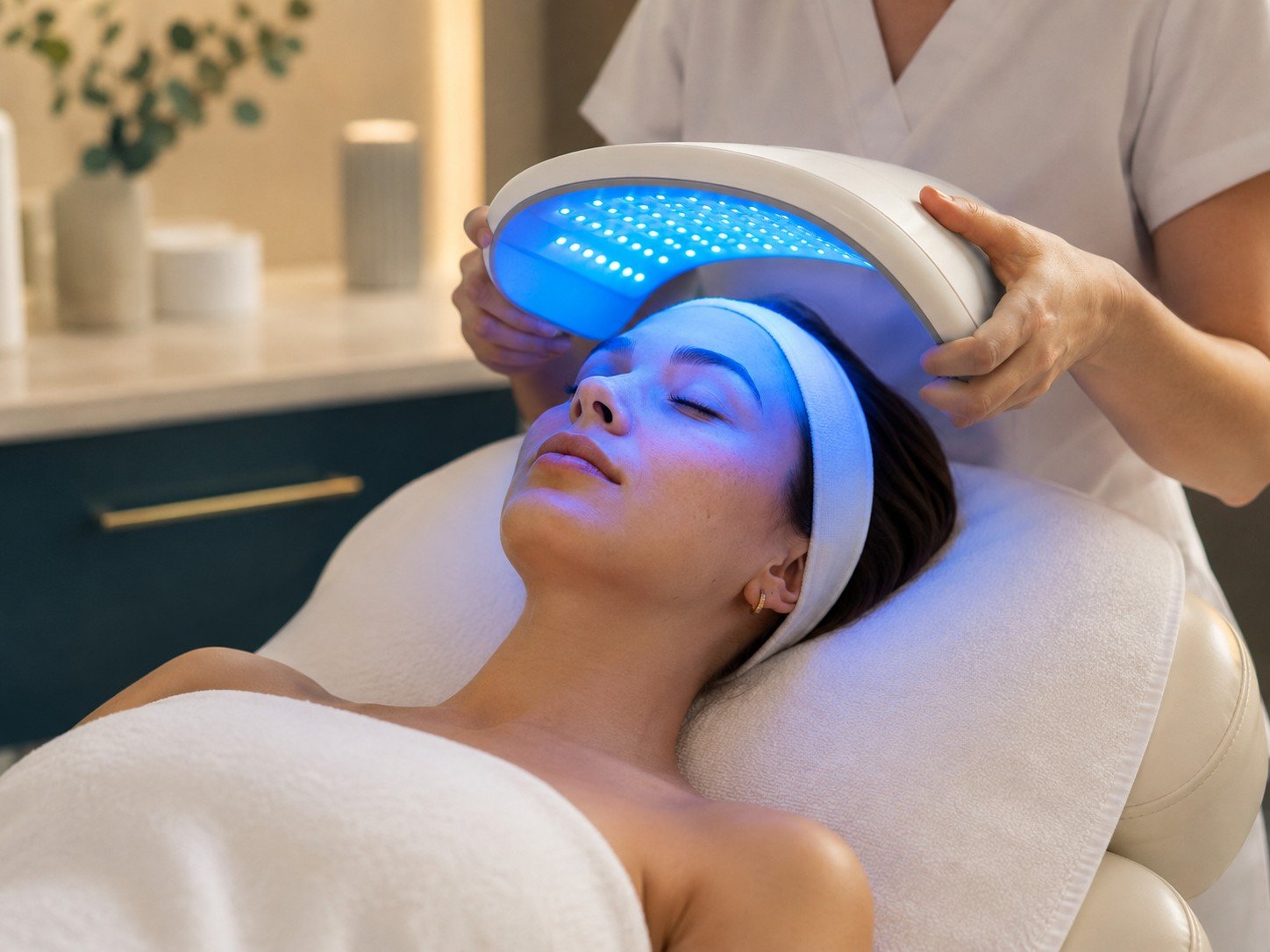
Your first acne-treatment appointment should turn a pile of products and guesses into a documented plan. Bring a simple timeline of your breakouts, the products and medicines you use, and clear photos of your skin on a typical day. The right next step depends on the type of breakout, your skin’s response and whether a different condition may be involved.
The American Academy of Dermatology explains that diagnosis comes before treatment because different acne presentations can need different plans. That is an important safeguard when a treatment menu makes every concern sound identical.
What to bring to an acne consultation
- A list or photos of prescription, over-the-counter and supplement products you use.
- A short record of when the breakouts began, where they occur and what seems to worsen or improve them.
- Photos from flare-ups if your skin looks different on the day of the appointment.
- Your constraints: sensitivity, pregnancy planning, budget, school or work schedule, and any prior reaction to treatment.
Be honest about picking, scrubbing or product-hopping. Those details are not a confession; they help a qualified provider see the starting point. If a proposed plan includes a procedure, ask what part of the acne concern it is intended to address and what home care or follow-up goes with it.
Questions that make the plan clearer
Ask for the name of the acne type or skin concern being treated, what the first phase is designed to do, when it will be reassessed and what signs mean you should contact the provider sooner. Ask whether the plan has a risk of irritation or pigment change for your skin, and how the provider accounts for that risk.
Keep expectations practical. The AAD notes that acne treatment is individualized and that improvement can take time. A provider should explain the time horizon without guaranteeing a specific result.
Where GlowMatch can help
Use the acne-treatment overview to understand the category, then compare provider options through a GlowMatch request. GlowMatch can share your request with selected local providers; those providers set their own availability, pricing, credentials and treatment recommendations. For home-care context, our acne-treatment options guide is a useful companion read.
Sources
The American Academy of Dermatology describes how acne is assessed and why treatment plans vary in its acne diagnosis and treatment guide. This guide is educational and does not replace medical advice.